


How Long to Wear a Compression Bra After Surgery?
Most surgeons say 4 to 6 weeks. Here's what that actually means.
For most breast surgeries, you'll wear a compression bra around the clock for the first 4 to 6 weeks, and then during the day for a few weeks after that while swelling settles.
But if you're asking this question, you probably already know the short answer isn't really what you need.
Because the real questions are: How long for my surgery? Do I really have to sleep in it? And how am I supposed to wear anything 24/7 that I can't stand by 2pm?
Let's take those one at a time.
Why "4 to 6 weeks" isn't the whole answer
Every surgery is different. Every body is different.
So the timeline your surgeon gives you is the one that counts. Always.
But here's roughly what that timeline tends to look like:
Breast augmentation usually means 4 to 6 weeks of consistent wear, starting immediately after surgery.
Breast reduction or lift often runs closer to 6 weeks: around the clock at first, then daytime wear as you heal.
Mastectomy, lumpectomy or reconstruction is truly surgeon-led. Many folks wear compression for 6 weeks or longer, especially with reconstruction. We wrote a whole guide on what to wear after a mastectomy if you want to go deeper.
Lymphedema or ongoing swelling is not weeks. This is daily-life wear, for as long as it helps. Our physical therapist's guide to compression bras for lymphedema walks through it.
Notice something? None of these are "a few days."
Whatever bra you choose, you're going to live in it. And that changes everything.

When do you start wearing it?
Right away.
Most surgeons recommend starting immediately after your procedure, often in the operating room or within the first 24 hours.
That early window matters most. It's when swelling peaks, and when gentle, even pressure helps your body do its quiet work: supporting circulation, managing swelling and stabilising healing tissue.
This is exactly the phase the HuggerPRIMA was designed for. Full coverage, front-zip and Operating Room Ready.
Why 24/7 wear at first?
Because swelling doesn't keep office hours.
During those first weeks, your body is recovering constantly, while you sleep, while you rest, while you reach for the kettle.
Consistent compression means consistent support.
And here's the truth most brands won't say out loud: compression only works if you actually wear it.
A bra that digs, pinches or makes you count down the minutes? You'll take it off. And then it isn't doing anything at all.
Wondering about nights specifically? We answered that here: Can you sleep in a compression bra? Short version: yes, and if it's the right bra, you'll barely notice.

How do you know when to stop?
You don't guess. You watch, and you ask.
Signs you and your surgeon will look for: swelling has settled and stayed settled, incisions have healed and you've been cleared at your follow-up.
Most folks don't stop all at once. It's a taper.
Around the clock, then daytime only, then whenever your body asks for it.
Many women keep reaching for their compression bra long after "required" ends, on long days, during travel, through radiation or for lymphedema care. Not because they have to. Because it's the most comfortable thing they own.
Wondering when to switch from a compression bra to a sports bra? We answer that (and when a sports bra can't substitute) in our comparison guide.
What happens if you stop too soon?
Usually not a catastrophe. But often a setback.
Stopping early can mean swelling comes back and lingers longer, healing tissue gets less support while it's still fragile and everything simply feels less held.
If your bra is comfortable, there's no reason to rush the finish line.
If it's not comfortable? That's not a sign to stop compression. That's a sign you're in the wrong bra.
How tight should a compression bra be?
Snug. Never painful.
You should feel held, not squeezed. Firm enough to keep swelling in check, but never digging in, pressing on incisions or making it hard to breathe.
Here's the part no one warns you about: your size will probably change during recovery. Swelling goes down. Bandages come off. Your body keeps adjusting.
That's normal, and your bra should be able to keep up. Here's how to tell if your compression bra fits correctly.

How do you choose a compression bra after surgery you can actually live in for 6 weeks?
When you strip everything back, folks tell us the same things.
I just wanted a bra I could wear all day. I didn't want to feel squeezed, just supported. I wanted to forget I was wearing it.
So here's what to look for during weeks of round-the-clock wear:
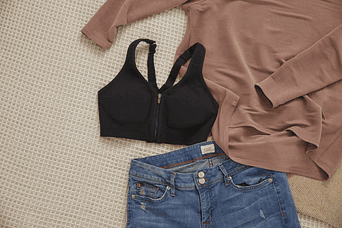
Front closure. Raising your arms after surgery hurts. A front-zip means you never have to.
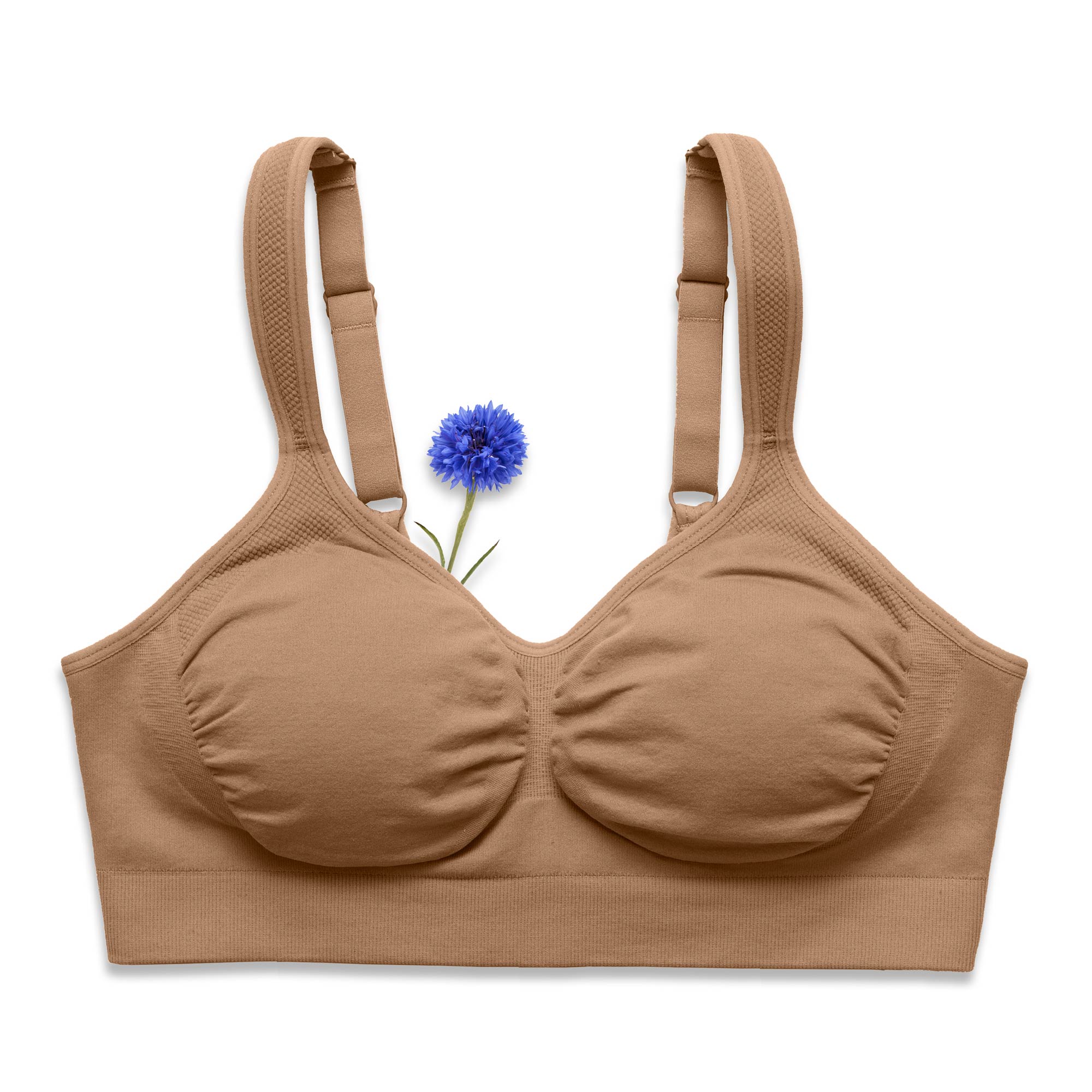
Wire-free, with no rough seams against recovering skin. It's living there 24/7.
Compression that's zoned, not just tight everywhere. Support where you need it, softness where you don't.
Skin-safe fabric. You're not taking breaks from it, so it can't irritate.
Sizing that flexes. Your measurements will change. Your bra shouldn't become wrong overnight.
Easy care. Machine wash and dry, because hand-washing is nobody's recovery plan.
Where Prairie Wear fits in
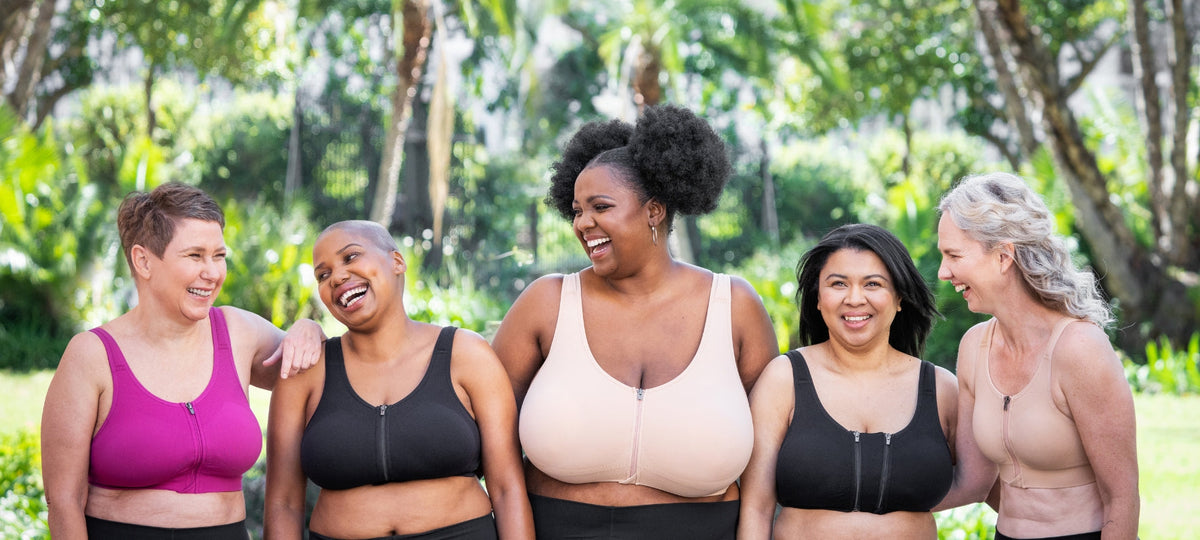
Team Prairie built Huggers (full range of post-surgery compression bras) because folks kept telling us: nothing worked.
Sports bras compressed but didn't adapt. Traditional medical bras worked on paper and sat in drawers. So we listened, and designed something you could actually live in.
Every Hugger is OEKO-TEX Standard 100 certified, wire-free, antibacterial and machine wash and dry. Just ONE measurement gets you your fit, and sizing flexes as your body changes through recovery.
The HuggerPRIMA is designed for those first primary-care weeks. The HuggerVIDA picks up in the second phase, a natural step-down into secondary care, lymphedema support and everyday comfort as recovery moves forward. The PrimaEXTENDER zips in to flex your fit through the swelling and bandages weeks.
Doctor Approved. Shipped across Canada and the US.
Common questions
1. How long do you wear a compression bra each day after surgery?
For the first 4 to 6 weeks, most surgeons recommend 24/7 wear, removing it only to wash. After that, many folks taper to daytime wear as swelling settles.
2. Can I take my compression bra off while sleeping?
In the early weeks, it's best to keep it on. Swelling doesn't pause at night. A comfortable compression bra should let you sleep normally.
3. How many compression bras should I have?
Two or three. You're wearing one around the clock, so you'll want a fresh one ready while the other is in the wash.
4. When can I go back to a regular bra?
When your surgeon clears you, typically after the 4-to-6-week mark once swelling has settled and incisions have healed. Ease in; many folks alternate at first.
5. What if my size changes during recovery?
It probably will, and that's completely normal. Prairie Wear sizing needs just ONE measurement, and the PrimaEXTENDER flexes your fit through the swelling weeks. If you're between sizes, reach out and Team Prairie will help.
6. Is a compression bra the same as a surgical bra or post-op bra?
Different names, same garment: a medical-grade compression bra worn during recovery. Whatever your surgeon calls it, look for front closure, wire-free construction and zoned compression.
One last thing
You've just been through something big.
The weeks ahead ask a lot of you, and "wear this 24/7" shouldn't be the hardest part.
The right compression bra won't fix everything. But it will make your days easier, your nights calmer and your recovery a little quieter.
Find your fit at prairiewear.com.
Disclaimer:
This article is for educational and informational purposes only and is not intended to replace medical advice, diagnosis, or treatment. Always consult your healthcare professional with any questions about your individual recovery or compression needs. If your medical professional has any questions about Prairie Wear Huggers, we'd love to connect. We're all about creating communities of support here at Prairie Wear. 💛