

What Is a Compression Bra? Types, Uses & How It Works
A compression bra is a wire-free bra designed to apply gentle, even pressure across your chest, to support healing tissue after breast surgery, help manage swelling and lymphedema, and hold you comfortably enough to wear it around the clock.
Not squeezing. Supporting.
That difference is the whole story, and it's what this guide is about.
Maybe your surgeon just told you you'll need one.
Maybe a physical therapist mentioned it at your last appointment.
Maybe you're just tired of bras that dig, pinch, and give up by 2 p.m.
Wherever you're starting from, here's everything a compression bra is, what it does, and how to find the type that fits your situation.
What is a compression bra?
A compression bra is a supportive garment that applies consistent, controlled pressure to the breasts and chest wall, usually wire-free, often front-closing, and built to be worn all day and all night.
That's the definition. But here's what it means in real life:
A regular bra shapes you.
A compression bra supports you, through recovery, through swelling, through the weeks when your body is doing hard work underneath.
Most folks meet their first compression bra around breast surgery, a mastectomy, a lumpectomy, a reduction, an augmentation, a reconstruction. Surgeons and care teams recommend them as standard post-operative wear, which is why you'll also hear them called a surgical bra, a post-op bra, a recovery bra, or a post-surgery compression bra.
Different names. Same job: steady, gentle pressure where your body needs it.

What does a compression bra do?
A compression bra does three things: it limits fluid buildup in healing tissue, it steadies the chest so movement hurts less, and it supports the skin and tissue while everything settles.
Here's the mechanism, plainly:
After surgery, or with lymphedema, fluid collects where tissue has been disturbed. Gentle, even pressure encourages that fluid to keep moving instead of pooling, which is why care teams at institutions like the Cleveland Clinic recommend compression garments as part of breast surgery recovery, and why the American Society of Plastic Surgeons includes compression bras in its post-surgical guidance.
Less pooling. Less swelling. Less of that heavy, tender feeling.
And there's the part nobody warns you about: after breast surgery, even small movements can pull at healing tissue. A compression bra holds everything steady, so reaching for a coffee cup doesn't have to be an event.
One important note, always: your surgeon's plan comes first. How much compression, and for how long, is their call, this guide is the context, not the prescription.
Is a compression bra just a tight sports bra?
No, and this is the mix-up that leaves so many folks sore.
A sports bra compresses to control bounce during activity. It's built for an hour of movement, not a day of healing.
A compression bra delivers even, continuous pressure designed for 24-hour wear, including rest, including sleep.
They compress, but they don't adapt.
They hold tight, but they don't support change.
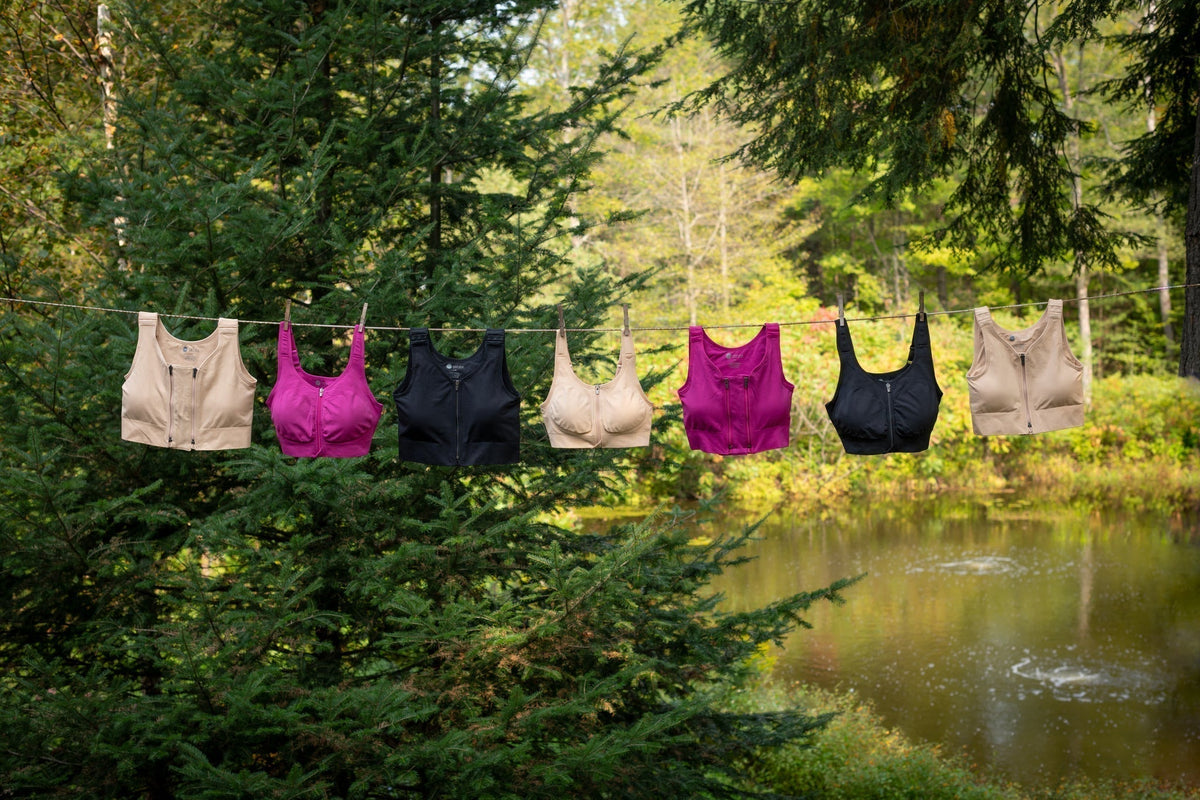
A sports bra's compression is concentrated where motion happens. A compression bra's support is distributed, Prairie Wear's Huggers, for example, use 360° zoned compression, which means different zones of the bra apply different levels of gentle pressure, the way a physical therapist would wrap you: firmer where support is needed, softer where skin is healing.
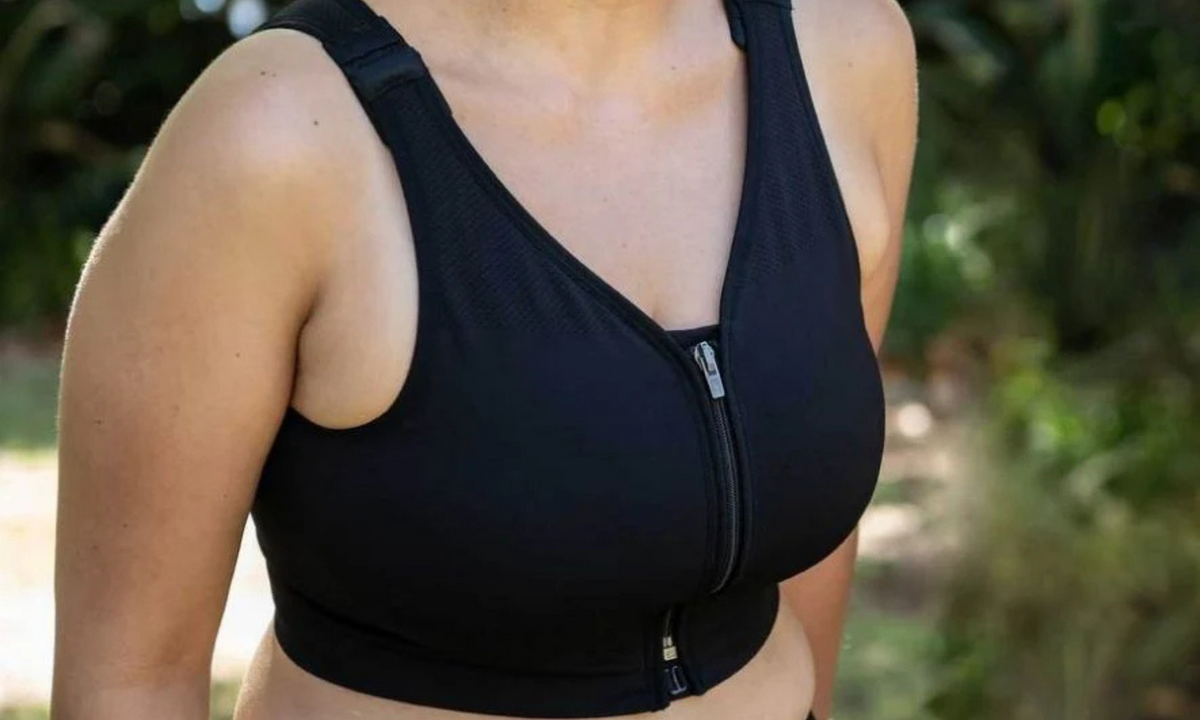
And the practical differences matter on day one: a true compression bra closes at the front (no reaching behind you with a healing chest), skips the underwire (nothing pressing on incisions), and uses seam-free interiors (nothing rubbing all day).
If you're weighing the two for your own situation, we wrote a full comparison: compression bra vs. sports bra.
What are the different types of compression bras?
Compression bras come in a few types, and the right one depends on where you are, in recovery, in treatment, or in everyday life.
Post-surgical compression bras. The firmest support, built for the early weeks after surgery. Look for a front zip, full coverage, and adjustability for the swelling that changes week to week. This is what HuggerPRIMA was designed for - OR-safe, front-zip, and sized with just one measurement so you don't have to guess at a cup size while your body is changing.
Lymphedema and recovery-phase compression bras. Medium, steady compression for managing swelling over the long term, after the acute recovery phase, or as part of ongoing lymphedema care. That's HuggerVIDA's territory: lighter than a post-op bra, more supportive than anything in your drawer.
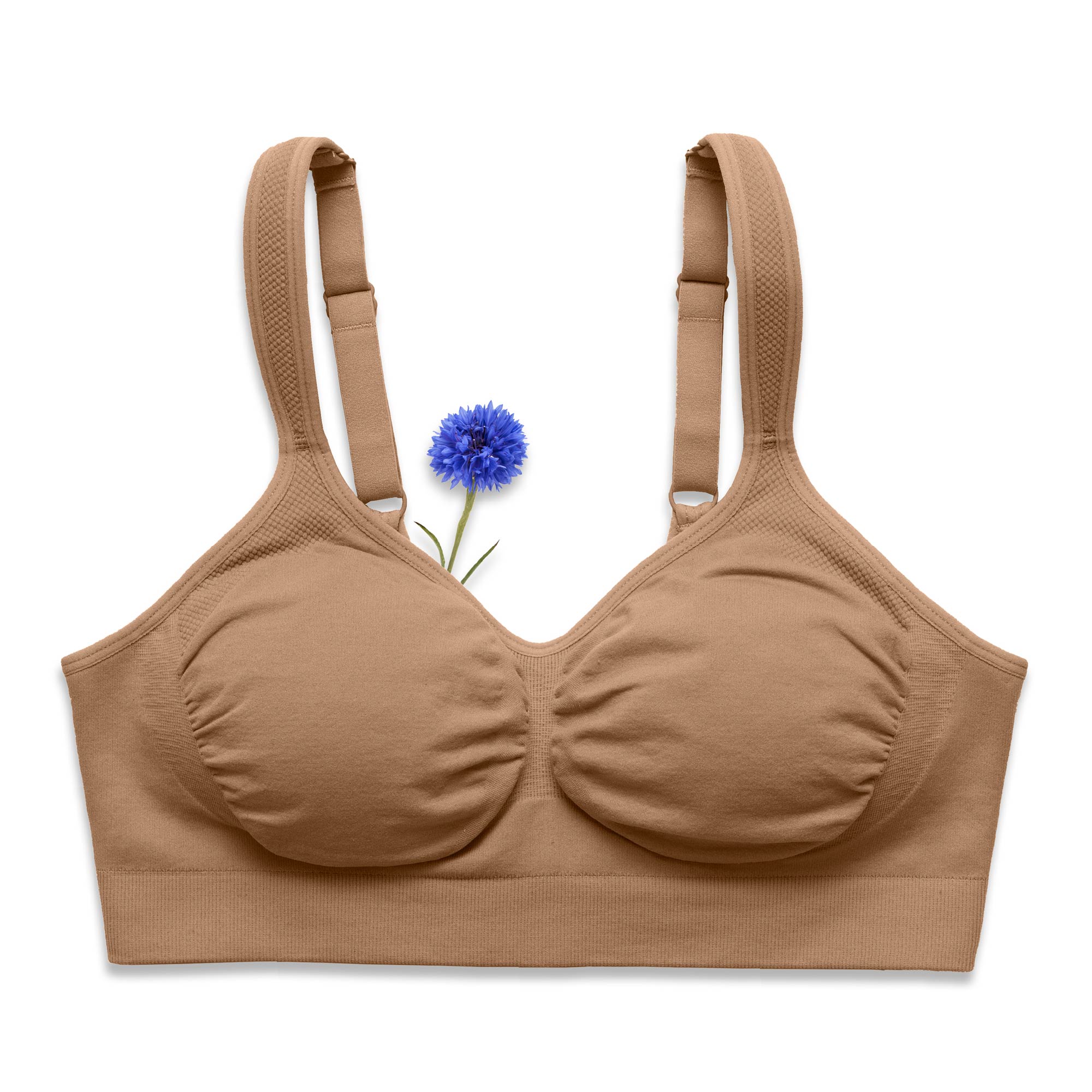
Everyday compression bras. Light, live-in support for folks who just feel better with gentle compression, no surgery required. You'll find wire-free styles built for daily wear in our everyday collection.
Active and high-impact compression bras. Compression built for movement - workouts, runs, busy days. Our active collection covers compression sports bras made to move, and HuggerLUMA is the high-impact style, built with extra support for larger busts.
Sizing up? We wrote a full guide to compression bras for large breasts and plus sizes.
And whichever type fits your situation, you can browse the complete compression bra collection to see every style side by side.

When do you need a compression bra?
You need a compression bra when your care team recommends one, most commonly after breast surgery, during lymphedema treatment, or any time steady chest support makes your day easier.
The common situations:
After breast surgery. Mastectomy, lumpectomy, reduction, augmentation, reconstruction, clinicians typically recommend compression for about 4 to 6 weeks, often around the clock at first. The exact timeline is your surgeon's call, and it varies by procedure. We broke the whole schedule down here: how long to wear a compression bra after surgery.
For lymphedema. Compression is a cornerstone of managing lymphedema — steady pressure that helps keep fluid from settling. A physical therapist wrote our full guide to compression bras for lymphedema, including what to look for and why.
For everyday or active comfort. No procedure, no diagnosis, just a body that feels better held. That's real, and it counts.
Procedure-specific questions? We've covered what to wear after a mastectomy and what to wear after a lumpectomy, too.
How tight should a compression bra be?
Snug enough that you feel held everywhere. Never tight enough to pinch, dig, or leave deep marks.
Here's the feel to aim for:
Even pressure, all the way around - like a firm, steady hug.
You should be able to breathe deeply without fighting the bra.
You should be able to slide a finger under the band.
And here's what "too tight" looks like - because too tight isn't extra support, it's a problem:
Numbness or tingling.
Deep red grooves that don't fade.
Pressure that concentrates in one spot instead of spreading out.
If any of those show up, adjust or size differently, and if something feels wrong near an incision, call your care team.
Not sure where your fit stands? Here's how to tell if your compression bra fits correctly.

What should you look for in a compression bra?
The checklist is short, and every item earns its place on a hard day:
A front closure. After surgery, reaching behind your back isn't happening. A front zip means you can get in and out on your own - with drains, with limited range, with one hand if you need to.
Wire-free, everywhere. No underwire pressing where your body is healing.
Seam-free interior. Because you'll be wearing it all day, all night, for weeks.
Skin-safe fabric. Look for OEKO-TEX® STANDARD 100 certified, latex-free, velcro-free materials, skin in recovery is skin that deserves gentleness.
Adjustability. Swelling changes. Your bra should keep up without a new size every week.
Zoned compression. Even, distributed support, not one crushing squeeze.
Simple sizing. Recovery is not the time for cup-size algebra. (This is why Huggers fit with Just ONE Measurement.)
Where Prairie Wear fits in
We built Huggers because folks kept telling us the same thing: nothing worked.
Post-surgical bras that felt like armor. Sports bras that crushed. "Recovery" garments designed like nobody would ever have to live in them.
So Prairie Wear's compression bras were designed differently - wire-free, front-zip, seam-free, OEKO-TEX® STANDARD 100 certified skin safe, with 360° zoned gradient compression and a fit that takes just one measurement:
"I forgot I was wearing it."
"The first bra that didn't make me cry getting it on."
"I slept in it. Willingly."
If you're recovering from surgery, start with the medical collection - it's where HuggerPRIMA and the recovery-phase styles live. Not sure which Hugger is yours? Find your fit here, and if you have questions, reach out, Team Prairie will help.
For medical professionals interested in ordering for patients, our wholesale program is the place to start.
Common questions
1. What is a compression bra?
A compression bra is a wire-free, usually front-closing bra that applies gentle, even pressure across the chest. It's designed to support healing after breast surgery, help manage swelling and lymphedema, and be comfortable enough for 24-hour wear.
2. What does a compression bra do?
It applies steady, distributed pressure that helps limit fluid buildup in healing or swelling-prone tissue, holds the chest steady so movement is less painful, and supports skin and tissue while they recover.
3. What's the difference between a compression bra and a sports bra?
A sports bra compresses to control bounce during short bursts of activity; a compression bra applies even, continuous pressure designed for all-day and overnight wear. Compression bras also add recovery features sports bras skip: front closures, no underwire, and seam-free interiors.
4. How tight should a compression bra be?
Snug enough for firm, even pressure everywhere, you should still breathe easily and slide a finger under the band. Numbness, tingling, or deep marks that don't fade mean it's too tight.
5. When should you start and stop wearing a compression bra after surgery?
Most surgeons have you start immediately, often in the operating room, and recommend around 4 to 6 weeks of wear, round the clock at first. Your surgeon's plan always comes first; here's the full timeline by procedure.
6. Can you sleep in a compression bra?
Yes, early in recovery, most surgeons want you sleeping in it. A good compression bra is designed for 24-hour wear, and we covered the details in can you sleep in a compression bra.
7. Is it safe to wear a compression bra all day?
Yes, that is what it is designed for. A compression bra is built for around-the-clock wear, including sleep, which is the difference between it and a sports bra. Most surgeons ask for 24/7 wear in the first weeks, showers aside. What is not safe is one that is too tight: numbness, tingling, or skin marks that linger mean size up or loosen. Your surgeon's plan comes first so always consult them.
One last thing
You didn't plan on becoming an expert in compression bras.
Nobody does.
But you deserve to feel held, through recovery, through treatment, through an ordinary Tuesday.
Find your fit. Feel the difference. Support that shows up through recovery and beyond.
Disclaimer:
This article is for educational and informational purposes only and is not intended to replace medical advice, diagnosis, or treatment. Always consult your healthcare professional with any questions about your individual recovery or compression needs. If your medical professional has any questions about Prairie Wear Huggers, we'd love to connect. We're all about creating communities of support here at Prairie Wear. 💛